Quick Answer
- Nike → reliable, mainstream performance
- Lululemon → premium comfort and fit
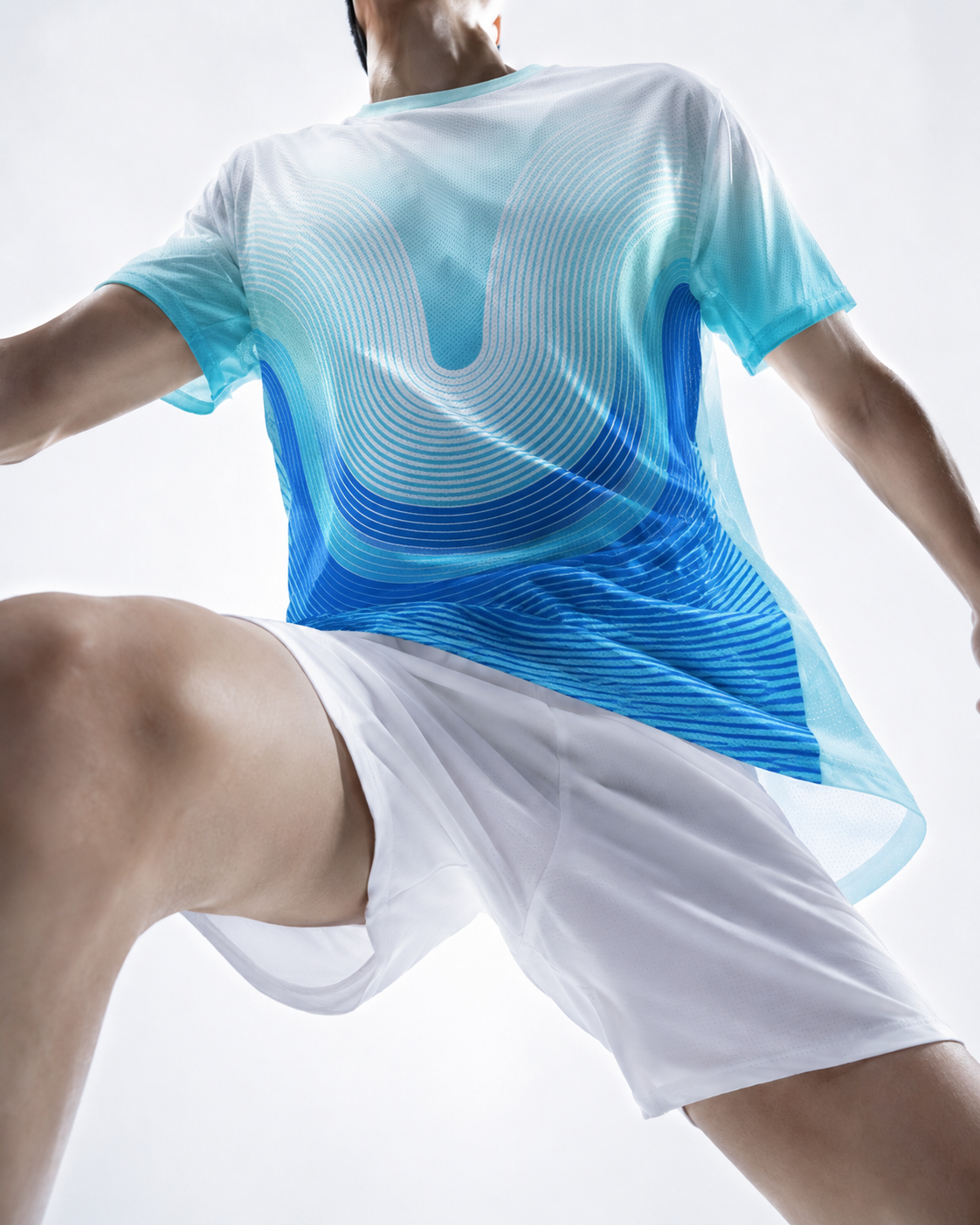
- ORUUN → ultra-lightweight performance (~43g) + high-visibility, expressive design
The real difference isn’t just performance.
It’s how the product feels — and how it looks in motion.
What Most Runners Get Wrong
Most runners choose based on:
- brand
- comfort
- price
But performance is driven by:
- weight
- heat management
- friction over time
And increasingly:
- visibility + identity during movement
Brand Breakdown
Nike Running Shirts
Best for: accessibility, everyday use
Pros
- consistent performance
- widely available
- clean, minimal design
Cons
- standard weight (100–150g)
- visually low-impact
- not built for standout presence
Built to perform, but designed to blend in.
Lululemon Running Shirts
Best for: comfort, premium feel
Pros
- excellent fit
- soft materials
- refined aesthetic
Cons
- mid-weight
- subtle design language
- more lifestyle-oriented than performance-driven
Comfortable and premium — but not visually expressive.
ORUUN Running System
Best for: performance + visual identity
Pros
- ultra-lightweight (~43g)
- reduced heat and sweat retention
- airflow-focused construction
- high-visibility, bold design language
Cons
- newer brand
- limited product range
Designed to perform under pressure — and stand out while doing it.

The Missing Factor: Design in Motion
Most performance brands treat design as secondary.
- Nike → minimal branding
- Lululemon → neutral tones
ORUUN takes a different approach:
Design is part of performance
Why Visual Design Matters in Running
- visibility improves awareness (urban / race conditions)
- bold design increases presence
- movement + colour creates identity
You don’t just run — you’re seen running.
ORUUN’s Design Philosophy
Instead of neutral tones:
- high-contrast colour systems
- motion-reactive patterns
- visually dynamic silhouettes
Built for:
- visibility
- energy
- confidence in motion

Performance Comparison
| Feature | Nike | Lululemon | ORUUN |
|---|---|---|---|
| Weight | 100–150g | 110–150g | ~43g |
| Heat management | Standard | Moderate | Optimised airflow |
| Sweat retention | Medium | Medium | Low |
| Comfort | Good | Excellent | High |
| Visual impact | Low | Medium | High |
| Identity | Minimal | Lifestyle | Expressive performance |
What Happens During a Run
After 20–30 minutes:
- sweat builds
- heat rises
- fatigue increases
Traditional brands:
- feel heavier
- blend into environment
ORUUN:
- stays light
- stays breathable
- stays visible
Who Should Choose What
Choose Nike if:
- you want reliable basics
- you prefer minimal design
Choose Lululemon if:
- comfort and feel matter most
- you prefer subtle aesthetics
Choose ORUUN if:
- you run in heat or humidity
- you care about performance efficiency
- you want to stand out, not blend in
The Real Difference
Nike and Lululemon optimise:
comfort and familiarity
ORUUN optimises:
weight + heat + friction + visual presence
Final Verdict
Performance isn’t just physical.
It’s also perceptual.
- how light you feel
- how cool you stay
- how you show up in motion
Less weight. More airflow. More presence.
Explore Ultra-Light Performance
https://www.oruun.com/collections/performance-tops
FAQ
What makes ORUUN different from Nike or Lululemon?
ORUUN focuses on ultra-lightweight performance and expressive design, combining function with high visual impact.
Does design matter in running gear?
Yes. Visibility, confidence, and presence can affect performance and awareness, especially in urban or race environments.


Share:
How to Prevent Chafing When Running
Why Running Shirts Smell Even After Washing